Special Education
Helping children learn, grow, and succeed through personalized, structured education support.
What is Special Education?
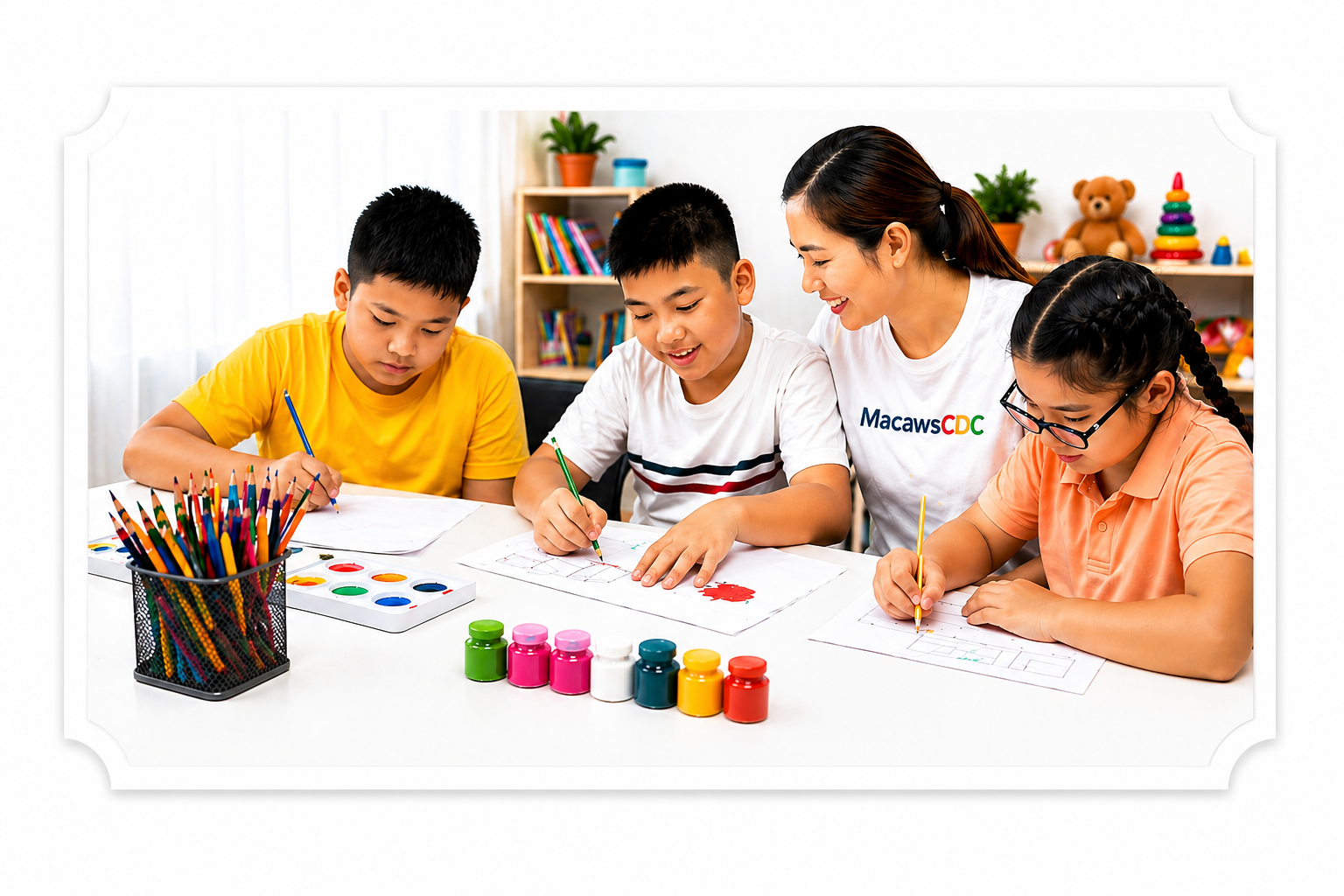
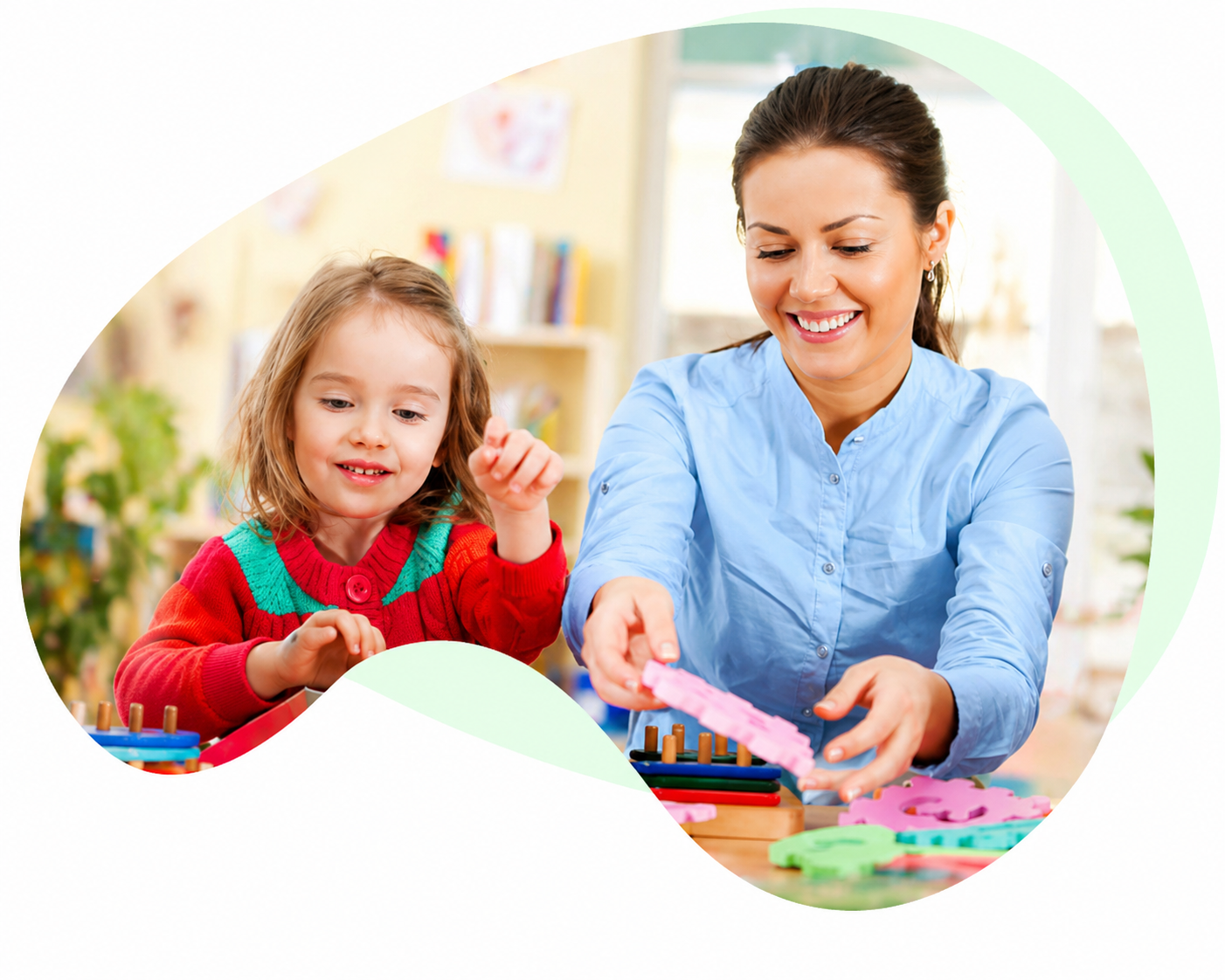
Special Education provides individualized learning support for children who experience difficulties in communication, learning, behavior, social interaction, attention, or academic performance. The program is designed to help children develop educational, cognitive, social, and functional skills through structured teaching methods tailored to their unique learning needs.
Our Approach
- Child-centered and individualized learning methods
- Activity-based and interactive teaching strategies
- Evidence-based educational techniques
- Personalized educational goals and learning plans
- Multi-sensory learning approaches
- Family-focused support and regular progress guidance
Who Can Benefit?
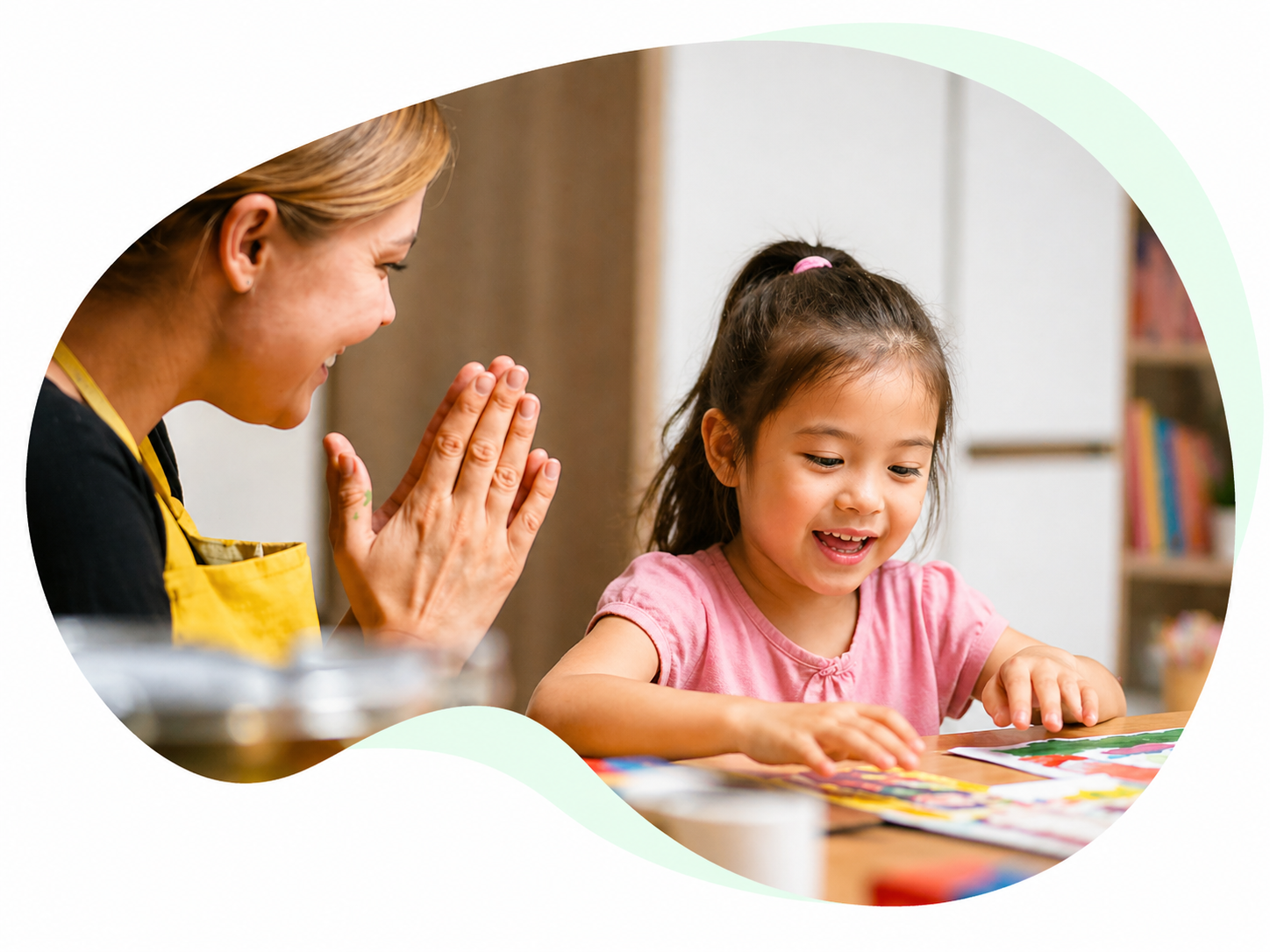
- Children with learning difficulties
- Autism Spectrum Disorder (ASD)
- ADHD
- Speech and language delays
- Intellectual and developmental delays
- Difficulties in reading, writing, or comprehension
- Social interaction and behavioral challenges
- Children requiring individualized academic support
Assessment
- Developmental and educational history review
- Learning style and academic skill assessment
- Cognitive and attention evaluation
- Communication and language assessment
- Behavioral and social interaction observation
- Pre-academic and functional skill analysis
- Individualized educational needs evaluation
Education Plan: How It Works
Each child receives an individualized special education program designed according to their learning abilities, developmental needs, and academic goals.
Key Components
- Individualized learning goal setting
- Academic skill development
- Communication and language enhancement
- Attention and concentration training
- Cognitive and problem-solving activities
- Social and behavioral skill development

Session Structure
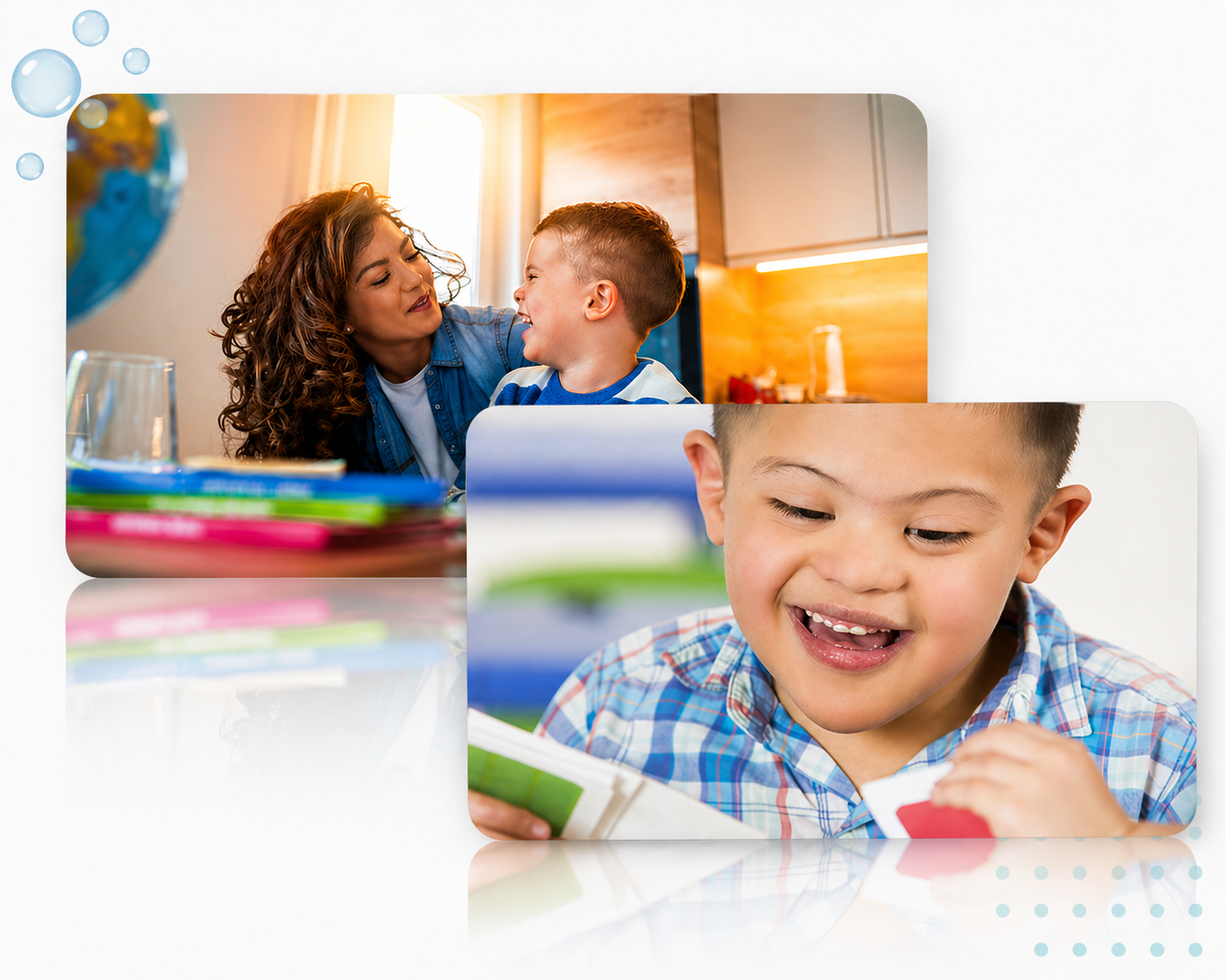
Typically 45–60 minutes based on the child’s learning needs, attention span, and individualized educational goals.
Parent Involvement
Includes home-based learning activities, academic support guidance, progress reviews, and regular parent feedback sessions to ensure consistent learning and developmental support at home and in educational settings.
Benefits of Special Education
- Improved learning and academic performance
- Better attention and classroom participation
- Enhanced communication and social skills
- Increased confidence and independence
- Improved behavioral and emotional regulation
- Development of functional and daily living skills
- Better adaptation to school and learning environments
Why Early Intervention Matters
Early educational support helps children build strong foundational learning, communication, and social skills during critical developmental years. Timely intervention can improve academic success, independence, confidence, and long-term developmental outcomes.