Occupational Therapy
Helping children build essential life skills, independence, and confidence through personalized occupational therapy.
What is Occupational Therapy (OT)?
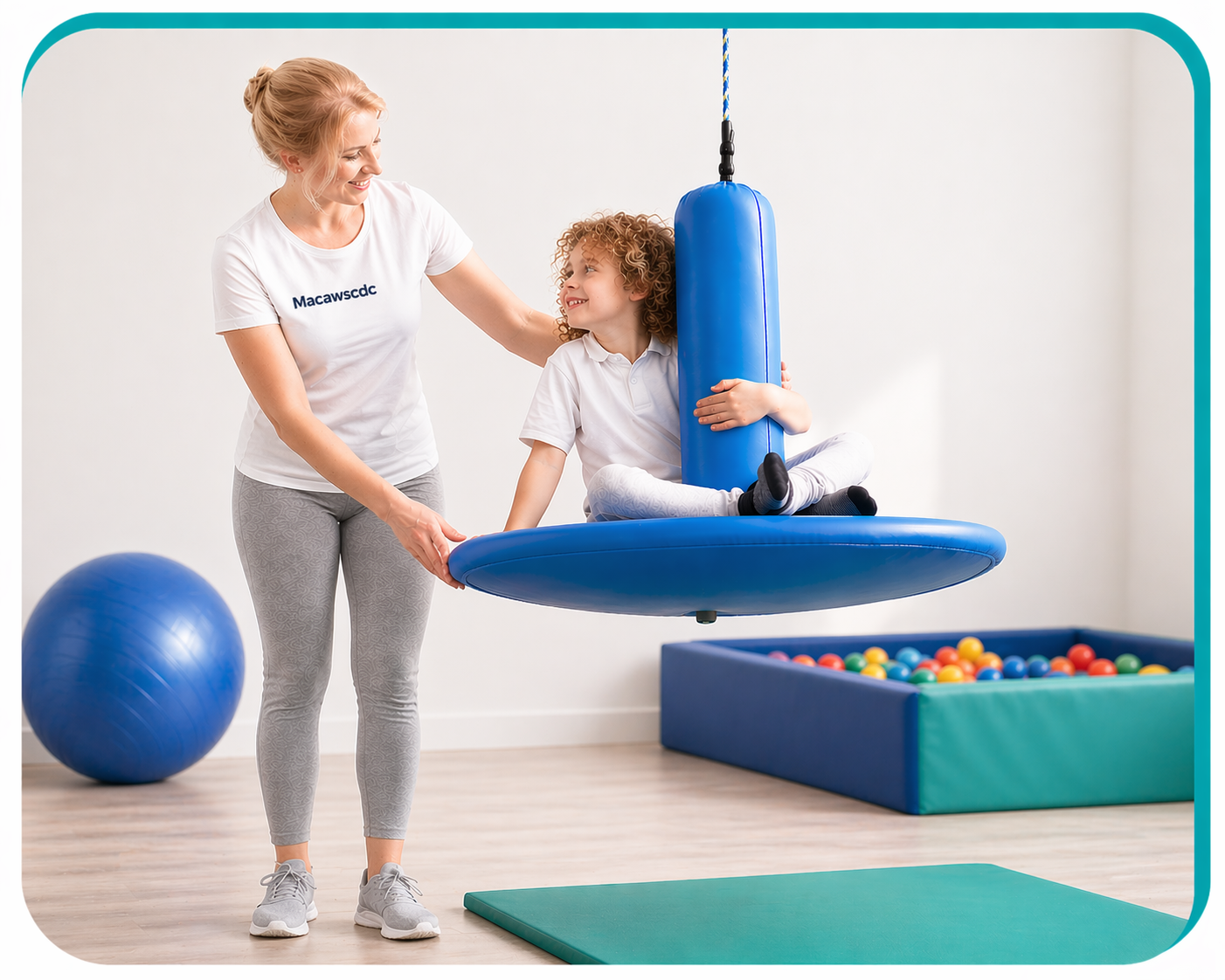
Children with developmental delays may face challenges in motor skills, sensory processing, attention, social interaction, and everyday self-care activities. Occupational Therapy (OT) helps children develop the essential skills needed for greater independence, confidence, and participation in daily life.
Through personalized, play-based, and goal-oriented interventions, occupational therapists support children in improving fine motor skills, coordination, focus, sensory regulation, social participation, and routine activities such as dressing, eating, and writing. Therapy is designed to meet each child’s unique needs in a supportive and child-friendly environment.
The goal of occupational therapy is to empower children to function more effectively at home, in school, and within social settings, enabling them to reach their fullest potential.
Our Approach
- Child-centered and play-based therapy
- Evidence-based techniques
- Individualized care plans
- Family-focused support

Who Can Benefit?
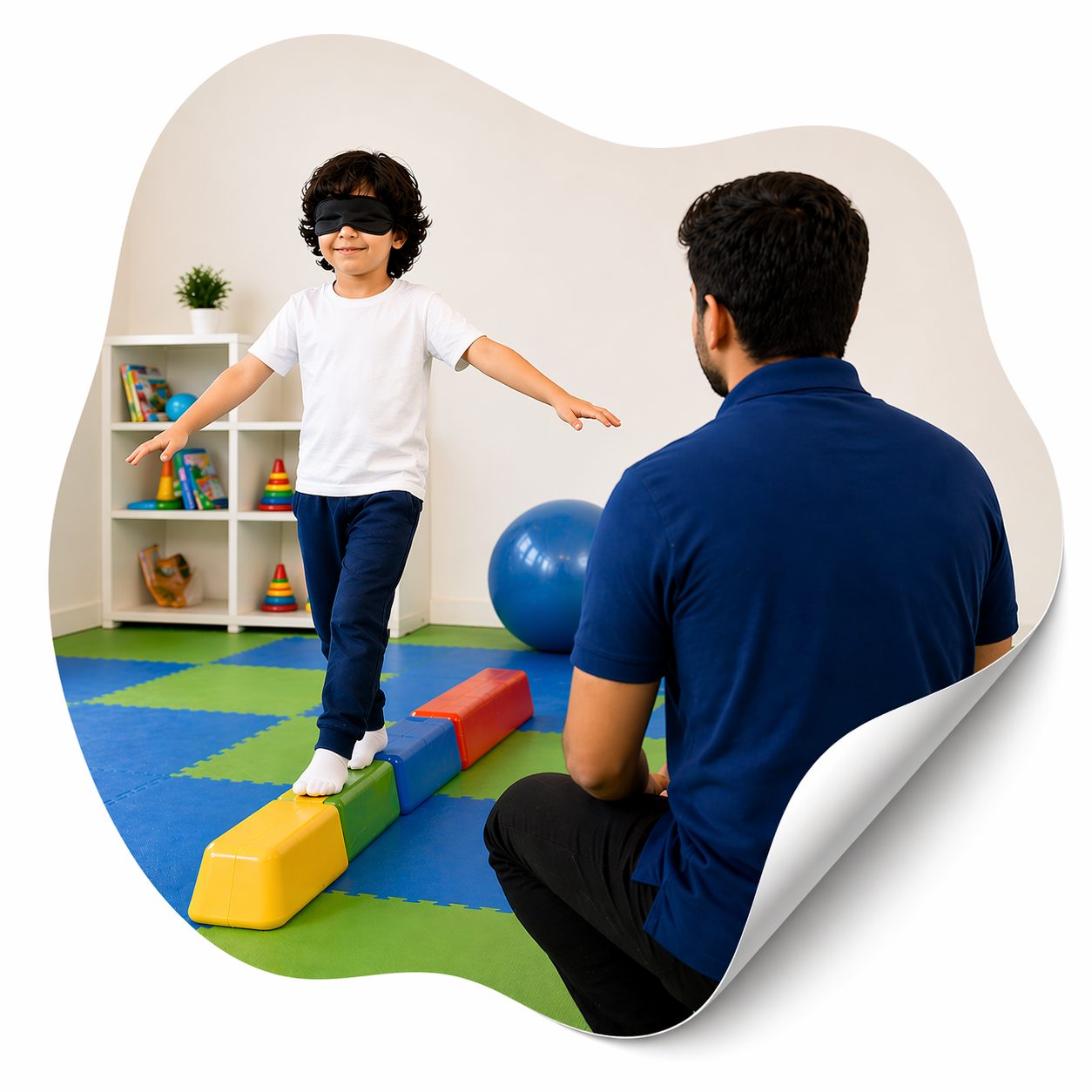
Occupational Therapy supports children with:
- Autism Spectrum Disorder (ASD)
- ADHD
- Global developmental delay
- Sensory Processing Disorder
- Learning difficulties
- Down Syndrome and other genetic conditions
- Delayed developmental milestones
Assessment: Understanding Your Child’s Needs
A personalized therapy plan begins with a comprehensive assessment:
- Developmental history and parent concerns
- Standardized observations and evaluations
- Sensory profile assessment
- Motor skills and coordination testing
- Functional skills (daily routines, play, school readiness)
Therapy Plan: How It Works
Each child receives an individualized therapy program tailored to their needs.
Key Focus Areas:
- Goal setting (short-term and long-term)
- Sensory integration activities
- Fine and gross motor skill development
- Handwriting and pre-academic skills
- Self-care training (feeding, dressing, toileting, etc..)
- Social interaction and play skills


Session Structure
- Typically 45 minutes, based on the child’s individual needs.
- Regular therapy schedule (as per plan)
- Continuous progress reviews and plan updates
Parent Involvement
- Home-based activity programs
- Guidance for daily routines
- Regular feedback and progress discussions
- Hands-on parental training and guidance
Benefits of Occupational Therapy
- Improved independence in daily activities
- Better focus and attention
- Enhanced motor coordination and strength
- Improved sensory regulation
- Increased confidence and social participation
- Better school readiness and academic performance
Why Early Intervention Matters
Starting therapy early leads to better outcomes. Early intervention helps:
- Build strong foundational skills
- Prevent secondary challenges
- Improve long-term independence and quality of life
Our Approach at MacawsCDC
- Child-centered and play-based therapy
- Evidence-based intervention methods
- Individualized therapy plans
- Family-focused guidance and support
- Safe, engaging, and inclusive environment